How to Spot Mold in Your Carpet Before It Spreads
A musty smell or a dark patch on the carpet might seem like a small problem at first. But what looks like a stain can quickly turn into a mold issue that affects your home's air quality and the health of everyone inside. Catching the problem early saves you from tearing out large sections of flooring later. This guide walks through the key points to check during a carpet mold inspection so you know what to look for and when to take action.
Check for Visible Discoloration
The most obvious sign is a change in color. Mold often appears as black, green, or brown patches on the carpet fibers. But not every dark spot is mold. Spills, pet accidents, and dirt tracked in from outside can also cause staining. The difference is that mold usually spreads in a circular pattern and has a slightly fuzzy or powdery texture on the surface. If you press a dry paper towel against the spot and the color transfers, it may be mold or mildew. If the spot feels damp to the touch, that is another warning sign. Moisture trapped in the padding underneath can feed mold growth even if the top of the carpet looks dry.
Sniff for a Musty or Earthy Odor
Your nose is one of the best tools for a carpet mold inspection. Mold produces volatile organic compounds that create a distinctive musty smell. If a room smells like damp basement, wet soil, or old socks even after you vacuum, there is likely mold somewhere in the carpet or the pad beneath it. The smell is often strongest near baseboards, under furniture, or in corners where air circulation is poor. Keep in mind that air fresheners or carpet powders can mask the odor temporarily. If you walk into a room and smell a heavy floral or chemical scent, that may be a cover-up. Try leaving the room closed for a few hours, then come back and sniff near the floor. A musty odor that persists is a clear signal that moisture and mold are present.
Look for Water Stains or Moisture Marks on the Floor
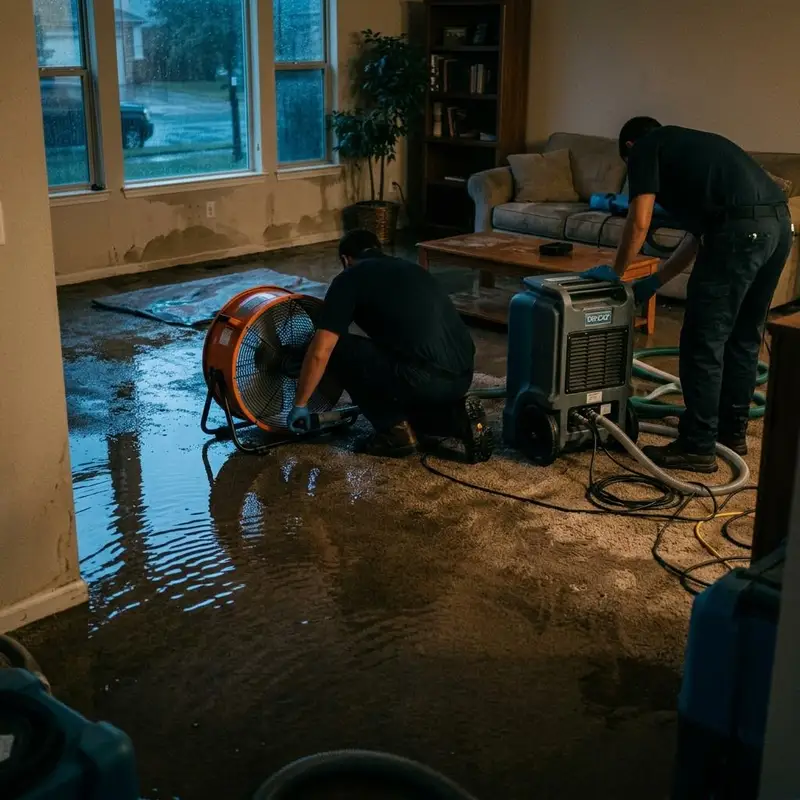
Mold needs moisture to grow. If you see water stains on the carpet, especially near walls, windows, or doors, that moisture may have already soaked into the padding. Check for damp spots after heavy rain. Look at the carpet near exterior walls for signs of water intrusion. Also check around plumbing fixtures like radiators, pipes, or the base of a toilet if the carpet runs into a bathroom. Discoloration that is darker along the edges and lighter toward the center often indicates a slow leak that has been happening for a while. Even if the carpet feels dry on top, the padding may be wet. Press your hand firmly into the carpet in several spots. If it feels cool or slightly damp, there is moisture trapped underneath.
Inspect Under Furniture and in Low-Traffic Areas
Mold often starts in places you do not walk on every day. The carpet under a sofa, behind a heavy dresser, or in the back corner of a closet is at higher risk. These areas do not get much air movement, so moisture can sit longer without drying out. Move furniture slightly and look for dark patches or white powdery spots. White mold or efflorescence from mineral deposits can also appear when moisture wicks up from a concrete subfloor. If you see any kind of powdery substance on the carpet fibers, it is worth investigating further. The padding underneath may be the real problem. Carpet padding is often made of foam or rubber that can hold water like a sponge. Once the padding gets wet, it stays damp for days or weeks, creating an ideal environment for mold.
Use Your Hands to Feel for Dampness or Crunchiness
Your sense of touch can reveal problems that your eyes and nose miss. Walk across the carpet in bare feet or socks. If the carpet feels damp in certain spots, mark those areas with a piece of tape. Also feel for crunchiness. When carpet padding gets wet and then dries, it can become brittle and crunchy underfoot. That texture change means the padding has been through at least one wet-dry cycle and may have mold growth inside it. If you press down firmly with your fingers and the carpet does not spring back, that can indicate that the padding is degraded or waterlogged. A healthy carpet should feel firm and springy. A soggy or flat spot is a red flag.
Examine the Carpet Edges and Seams
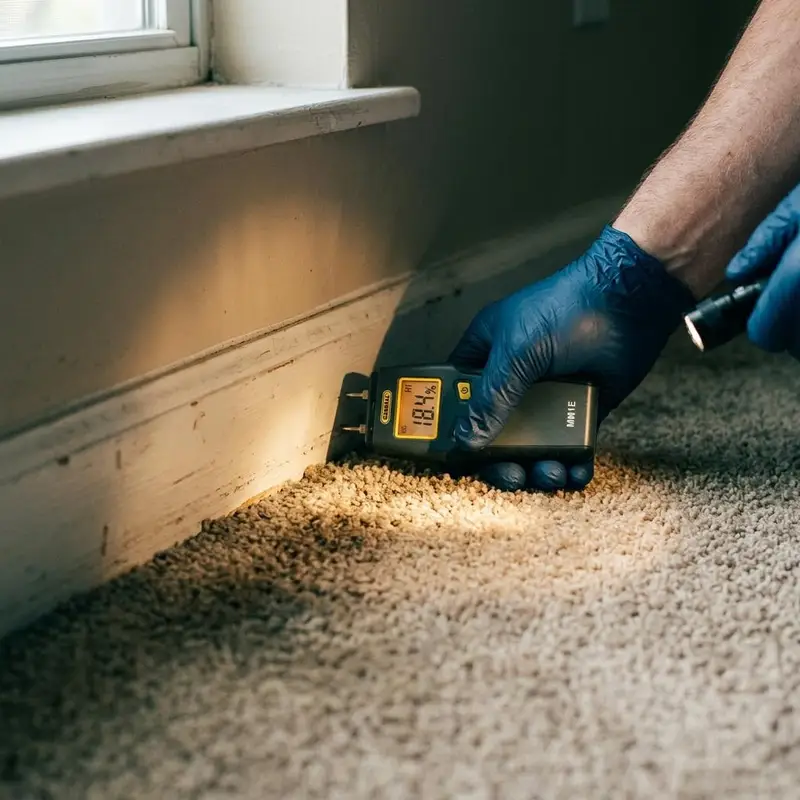
The edges of a carpet, where it meets the wall, are common entry points for moisture and mold. Pull back the carpet slightly at the edge if you can. Look for black or green mold on the tack strip, the padding, or the subfloor. Seams where two pieces of carpet are joined together can also separate over time, allowing moisture to seep through. If the seam is lifting or the carpet is loose, water can get underneath and stay trapped. This is especially common near sliding glass doors, exterior doors, and windows. If you see any discoloration or feel moisture along the edge, it is worth having a professional perform a more thorough carpet mold inspection.
Watch for Health Symptoms in the House
Mold in carpet does not always announce itself with stains or smells right away. Sometimes the first sign is how people feel. If anyone in the home has been experiencing more frequent headaches, sneezing, coughing, eye irritation, or fatigue, and those symptoms get worse when they are in a certain room, mold in the carpet could be the cause. This is especially true for people with allergies or asthma. Mold spores become airborne when you walk on the carpet or when the HVAC system runs. If symptoms improve when you leave the house for several hours, that is another clue. While this is not a direct visual check, it is a practical part of any carpet mold inspection because it points to a problem that may be hidden under the surface.
What to Do If You Find Signs of Mold
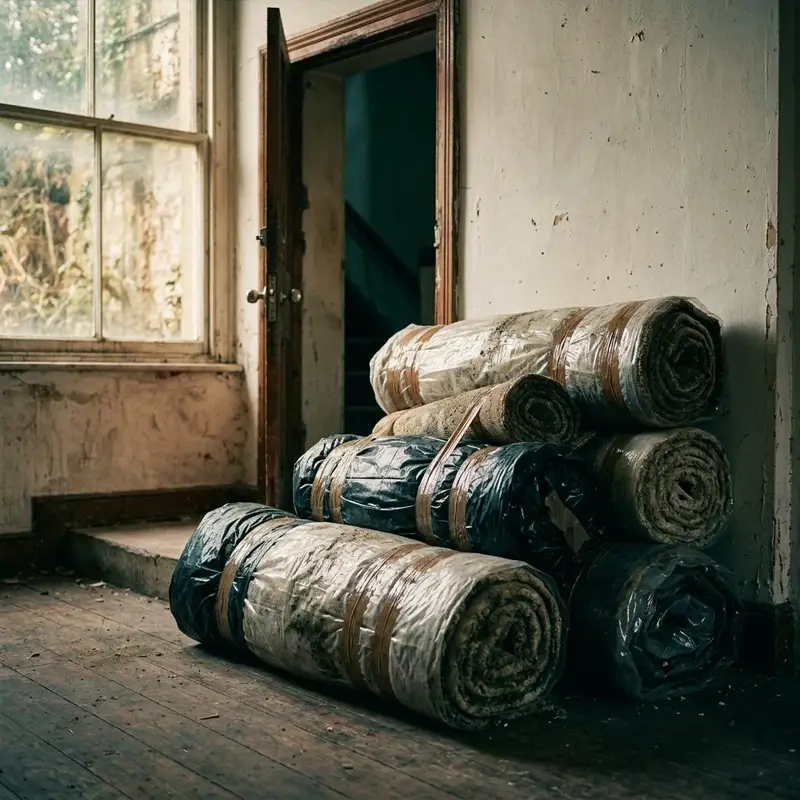
Finding one or more of these warning signs does not always mean the carpet must be removed. Sometimes a thorough cleaning and drying can solve the problem. But if the padding is wet, the mold is widespread, or the carpet has been damp for more than 48 hours, removal is usually the safer option. For a reliable assessment, many homeowners turn to carpet mold removal services pros. These teams can test the moisture level in the padding and subfloor, identify the type of mold present, and recommend the best course of action. They also have the equipment to dry out the structure and improve indoor air quality after the contaminated materials are gone.
If the problem is limited to a small area and the carpet is not too old, you may be able to cut out the damaged section and patch it. But be aware that mold can spread to the subfloor, especially if there is a concrete slab that wicks moisture. In that case, the repair goes beyond the carpet itself. Carpet Mold Removal Services Pros can handle the full process from moisture identification to drying the structure and restoring the area. They understand that mold is not just a surface issue. It affects the air you breathe and the structural health of your home.
Prevent Mold Before It Starts
After you complete your inspection, take steps to keep mold from coming back. Fix any leaks in the roof, walls, or plumbing right away. Improve ventilation in rooms that tend to stay humid. Use a dehumidifier in basements and other damp areas. Vacuum regularly with a HEPA filter vacuum to reduce the amount of organic material that mold can feed on. And if you have a spill, dry the carpet thoroughly within 24 hours. Blot up as much liquid as possible, then use fans or a wet-dry vacuum to pull moisture out of the padding. A proactive approach is the best way to avoid a full carpet mold inspection turning into a major remediation project.
By checking these areas regularly, you catch mold early when the fix is simpler and less expensive. Your carpet can last for years if you keep it dry and clean. But once mold takes hold, it spreads fast. A few minutes of inspection each season can save you the trouble of replacing an entire room of carpet.